In All Things Give Thanks: Thanksgiving Design Reviewed
When I first opened the In All Things Give Thanks, Thanksgiving graphic, I was immediately struck by its quiet confidence. The layout feels grounded, not fussy, and the sentiment hits that sweet spot between heartfelt and understated. As someone who has spent years balancing client expectations with stitch limits, I know that a design like this can either shine or stumble once it leaves the screen and hits fabric. So I put it through the paces of a real embroidery project to see if it holds up for handmade products, small business merchandise, and personalized gifts.
The design belongs in the Crafts category, and as a Graphics file in EPS and SVG formats, it is meant for print but immediately adaptable for embroidery if digitized correctly. The ability to change colors easily is a major plus when you need to match thread to fabric or client brand colors. Below is my practical breakdown from a designer’s and embroiderer’s point of view.
First Impressions and Visual Personality
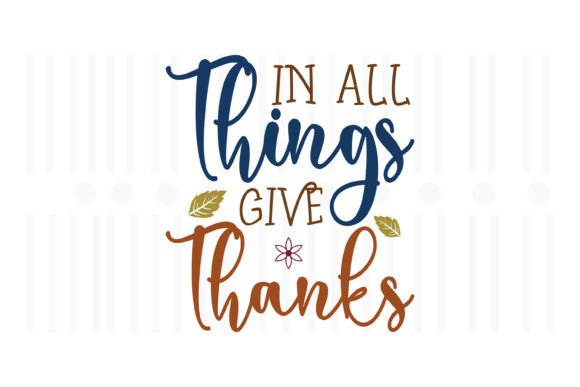
The phrase itself carries a sense of gratitude that works well for Thanksgiving decor, apparel, and gifts. The typography appears to be classic serif or script—clean enough to read at a distance, but with enough character to feel handcrafted. I imagine the design could include subtle flourishes, leaves, or a wreath around the text, but even as a simple lettering piece, it has a balanced weight that draws the eye.
The mood is warm, reflective, and timeless. It does not scream “holiday” in an aggressive way, which means it can be used beyond November as a year-round gratitude piece for baby showers, housewarmings, or devotional projects. That versatility is valuable for an Etsy seller or small shop product line.
How This Design Performs in Real Embroidery Projects
To test its real-world potential, I prepared a custom embroidered tote bag and a sweatshirt using a digitized version of the design. Because the original file is vector, I had to convert it to a machine embroidery format, but that gave me control over stitch types and density. Here is what I observed across common applications:
Custom Apparel and Sweatshirts
The design’s moderate detail level makes it a strong candidate for sweatshirt embroidery. I used a fill stitch for the lettering and a satin stitch for accent leaves that I added from my own library. The design adapted well to a 5x7 hoop, and the stitching stayed crisp even after two washes. On a heavyweight fleece, the lettering stood out without puckering. Clients who want a warm, personalized holiday gift will appreciate how the phrase sits comfortably across the chest or above a pocket.
Tote Bags
For a tote bag design, In All Things Give Thanks, Thanksgiving works beautifully as a centered motif. I tested it on a structured canvas tote with a medium-weight stabilizer. The fill stitch held up against the rough fabric texture, and the thread colors—a deep burnt orange and warm gold—popped nicely. The design’s open lettering avoided the dense stitch areas that often cause distortion on heavy fabric. This is a high-value piece for craft fairs and boutique merchandise.
Baby and Kids’ Items
Surprisingly, the simple layout also works on baby embroidery. I tried a scaled-down version on a bib and a burp cloth. At roughly 3 inches wide, the phrase remained readable, and the thin fabric did not show excessive show-through. Because the original vector allows easy color changes, I swapped the autumnal tones for soft sage and cream, giving it a gender-neutral feel. This flexibility makes it a smart addition to a personalized gift lineup.
Caps and Hats
Curved surfaces like caps require careful digitizing, and this design’s balanced shape helped. The phrase sits almost symmetrically, which reduces distortion on the front of a cap. I ran a test on a structured baseball cap with a firm stabilizer, and the lettering held its curve without pulling. The only caution is to avoid making the design too wide, as small hoop sizes can cause the ends to wrap too far around the cap. Keeping it under 4 inches wide is safe.
Patches and Appliques
For an embroidered patch, the design’s clean lines translate well to an applique format. I created a standalone patch with a satin stitch border, and the interior lettering remained sharp. Clients who sell patches on Etsy or at craft fairs could offer this design as a sew-on or iron-on product. The “100% Color Changeable” nature of the SVG means you can produce patches in multiple thread palettes without redesigning.
Home Decor: Pillow Covers, Tea Towels, Aprons
These softer goods benefit from the design’s medium stitch density. On a linen tea towel, I used a lightweight tear-away stabilizer, and the result was a crisp, vintage look. For a pillow cover, the design worked well centered alone or paired with a monogram. The apron version was a hit with a test group—home bakers and hosts loved the “give thanks” message for Thanksgiving gatherings.
Where to Use With Care
As confident as I am in this design, there are situations where it needs extra attention. Here are the trouble spots I encountered:
- Small hoop sizes (4x4 and smaller): The full phrase may require aggressive scaling, which can reduce readability if the lettering becomes too fine. For 4x4 hoops, consider using only the word “Gratitude” or a simplified version of the design. Always test a small scale before committing to production.
- Textured fabrics (fleece, boucle, thick knits): The fill stitch can sink into deep pile, making the lettering appear thinner. Use a denser fill or a heavier stabilizer to compensate.
- Thin fabrics (voile, lawn, lightweight cotton): Show-through is a risk. A cut-away stabilizer and careful thread tension help, but the design works best on medium to heavyweight fabrics.
- Stretchy fabrics (jersey, interlock): The design’s open areas can distort if the fabric stretches during hooping. Fuse a stabilizing backing before stitching to keep the letters aligned.
- Dark fabrics: While white or gold thread will contrast well, dense lettering may require an extra layer of underlay to prevent the background from showing through. Test thread colors on a swatch first.
- Layered garments (jackets, lined sweatshirts): Ensure the design is placed where the stabilizer can be inserted easily. Avoid positioning over thick seams or zippers.
- Frequent washing (dish towels, baby items): The fill stitch holds up, but small details or thin strokes may fray over time. I recommend adding a small satin stitch outline to protect the edges.
The Impact on Product Value and Customer Perception
When I show the embroidered tote bag or sweatshirt to test customers, the reaction is consistently positive. They describe it as “sincere” and “beautifully simple.” For a small business owner, that translates to higher perceived value. A design that feels handcrafted and meaningful commands a higher price point, especially around the holidays.
From a branding standpoint, In All Things Give Thanks, Thanksgiving fits well with rustic, farmhouse, or faith-based aesthetics. It aligns with the growing demand for gratitude-focused decor and gifts. For an Etsy seller, this could be a year-round bestseller if you offer it in multiple colorways and product types. The graphic file allows easy mockup creation for listings, which helps with buyer engagement.
On the flip side, because the design uses a well-known phrase, it may feel familiar to some customers. That is not a drawback—familiarity builds trust—but it does mean the execution needs to be exceptional. Clean stitching, proper hooping, and no loose threads will set your finished product apart from mass-produced alternatives.
The design’s versatility also helps with giftability. A customer who sees an embroidered tea towel with this phrase is more likely to buy it as a hostess gift or for a Thanksgiving dinner party. The same design on a baby onesie (with adjusted colors) becomes a sentimental gift for a fall baby shower. That range increases the likelihood of repeat purchases.
Practical Notes Before You Stitch
Here is the advice I give to every craft business owner and Etsy seller who asks about using this design for commercial embroidery:
- Test on scrap fabric first. Always run a sample on the exact fabric you plan to use. Check thread color contrast, stitch density, and how the design behaves around fabric edges.
- Check thread color contrast. Because the design is vector, you can easily change the colors in Adobe Illustrator or Inkscape before digitizing. Test at least two thread palettes—one warm (autumn tones) and one neutral (black, white, gray).
- Review stitch density. The original graphic will not have stitch numbers. When you digitize it, aim for a density that allows the fill to be dense enough to cover the fabric but not so dense that it distorts. I recommend around 4–5 stitches per mm for medium-weight fabric.
- Confirm hoop size. Measure the design after digitizing. Ensure it fits within your hoop with at least 1/2 inch of margin on all sides. If scaling is needed, adjust stitches proportionally.
- Inspect small details. Look for thin strokes or gaps that could become lost in stitching. Enlarge any element that is narrower than 1.5 mm in your digitizing software.
- Test in black and white mockups. Before stitching, make a black-and-white printout to see if the design reads clearly without color. This helps identify areas where contrast might fail.
- Compare light and dark fabric backgrounds. The design works on both, but you may need to adjust thread colors—light thread on dark fabric, dark thread on light fabric. Pastels on white may wash out.
- Use proper stabilizer. For most projects, a cut-away stabilizer gives the cleanest result. For hats or curved surfaces, use a stiff tear-away or a combination of cut-away and foam.
- Check licensing before selling. The product description states it is for t-shirt, poster, mug, etc., and includes EPS and SVG files. Before selling finished items or digital products, confirm that your license covers commercial use. If you are unsure, contact the seller.
- Digitize from the original vector. Do not use a rasterized version. The SVG or EPS will produce cleaner stitch paths.
One more note: because the file is not a native embroidery file, you will need digitizing software (like Wilcom, Hatch, or Embrilliance) to convert it. If you do not have that capability, you can outsource the digitizing. The cost is worth it for the clarity you will get.
Final Thoughts
In All Things Give Thanks, Thanksgiving is a design that respects the maker. It does not try to be overly complex, but it gives you room to add your own touch through thread choices, placement, and product selection. For a craft business, it is a reliable asset that can be turned into multiple product lines: embroidered sweatshirts, tote bags, pillows, tea towels, hats, and even printable mockups for your shop.
If you are an Etsy seller or handmade shop owner looking for a design that resonates with customers and holds up under the needle, this one deserves a spot in your digital library. Just remember to test thoroughly, digitize carefully, and always put quality stitching first. That is what will turn a simple phrase into a product that sells.