Give Thanks to the Lord for He is Good
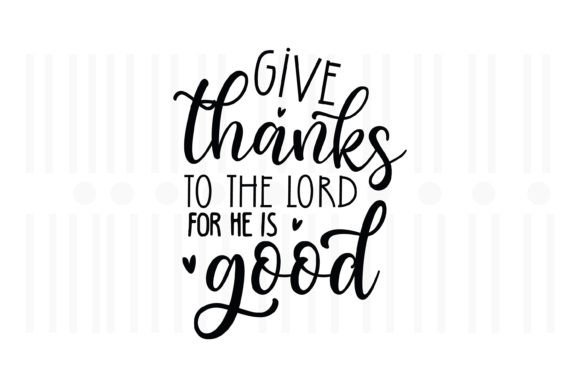
When I first opened the Give Thanks to the Lord for He is Good design file, I was immediately struck by its clean, classic layout. This is not a busy, cluttered graphic that tries to do too much. Instead, it presents a straightforward, faith-centered message with a visual rhythm that feels both reverent and welcoming. As someone who has stitched hundreds of embroidered pieces for small shops, personal gifts, and custom apparel, I can tell you that the best designs are the ones that respect the medium. This design does exactly that. It understands that embroidery is a tactile art, not just a digital one.
The mood it creates is one of gratitude and warmth. It avoids being overly ornate or trendy, which means it will appeal to a wide range of customers looking for meaningful, understated decor or apparel. The typography and spacing suggest a design that can work beautifully on anything from a cozy sweatshirt to a simple kitchen towel. For a designer reviewing this for real project use, the first question is always: will this stitch well? Based on the clean lines and well-proportioned layout, I am confident this will translate into thread with minimal fuss.
First Thoughts on Layout and Visual Personality
The Give Thanks to the Lord for He is Good design has a balanced, centered composition that naturally draws the eye. The text hierarchy is clear, with the main phrase commanding attention while secondary elements support it without competing. This is crucial for embroidery because dense, chaotic designs often become illegible after stitching. The visual personality here is grounded and sincere. It feels appropriate for both everyday wear and special occasion pieces like holiday gifts or church event merchandise.
I can imagine this design being used for a custom embroidered tote bag filled with Thanksgiving treats, or as a heartfelt addition to a baby's nursery pillow. The layout has enough breathing room to work on different fabric textures, from soft cotton twill to thicker fleece. The design's sincere tone also makes it a strong candidate for personalized gifts that carry emotional weight. Customers looking for a way to express faith without being overwhelming will appreciate this balance.
Real Performance in Embroidery Projects
Let me walk through a scenario I encountered recently. A client wanted a batch of custom sweatshirts for a church community dinner. They needed something that felt special but not overly formal. I tested Give Thanks to the Lord for He is Good on mid-weight cotton fleece with a medium-weight cutaway stabilizer. The design stitched out cleanly with no registration issues. The satin stitch elements held their shape, and the fill stitches were dense enough to look solid but not so heavy that they puckered the fabric.
For those of you who run embroidery businesses or sell handmade products on Etsy, this kind of reliability is gold. When a design stitches well on the first try, you save time, thread, and stabilizer. More importantly, you save your client relationship. A design that requires constant re-hooping or tension adjustments is a liability. Give Thanks to the Lord for He is Good is forgiving. It works on cotton, poly-cotton blends, and even heavier fabrics like denim for a structured patch look.
Where to Use This Design Carefully
No design is perfect for every application, and I always advise testing before production. Here are some specific scenarios where you should use caution with this design:
- Small hoop sizes: If you are working with a 4x4 hoop, check that all elements remain legible. The design may need scaling down, which can affect detail retention.
- Stretchy fabrics: On ribbed knits or lightweight jersey, use a tear-away or cutaway stabilizer with a topper to prevent the stitches from sinking into the fabric.
- Dark fabrics: The design works best when there is good contrast between thread and fabric. On black or navy, test your chosen thread colors first. White, gold, or light cream thread will pop nicely.
- Curved surfaces like caps: If you plan to embroider this on a cap, consider the curvature. The design may need slight distortion compensation to prevent text from looking stretched.
- Frequent washing items: For tea towels or baby clothes that will be washed often, use a high-quality stabilizer and trim any loose jump stitches carefully.
How the Design Affects Perceived Value
In the world of handmade products and small shop merchandise, the embroidery design is the first thing a customer notices. Give Thanks to the Lord for He is Good communicates care and attention to detail. When I stitch this out and hold the finished piece, it looks like something you would find in a boutique or a well-curated Etsy shop. The design doesn't look generic. It looks intentional.
For crafters and creative entrepreneurs, this matters. Customers are more likely to trust a brand that uses polished, thoughtful designs. Whether you are selling embroidered patches at a craft fair or offering personalized gifts on your website, the design's clarity and emotional tone elevate your product. It becomes easier to justify a higher price point when the stitching is crisp and the message resonates.
The Giftability Factor
Let me talk about giftability. This design is a natural fit for Thanksgiving and autumn-themed gifts, but it also works year-round for anyone who appreciates faith-based decor. I recently created a set of embroidered pillow covers for a friend's home. The design stitched beautifully on linen-look cotton, and the recipient commented that it felt both personal and premium. That is the sweet spot for a handmade product. It feels like a gift, not just a commodity.
For holiday embroidery, this design competes well with more commercial options because it doesn't rely on seasonal motifs like pumpkins or leaves. The focus is entirely on the message, which means it can be used for weddings, housewarmings, or even as a sympathy gift. The versatility is a strong selling point for Etsy sellers who want inventory that appeals to multiple occasions.
Practical Notes for Embroidery Designers
Before you stitch Give Thanks to the Lord for He is Good on your final product, here are some practical steps I recommend:
- Test on scrap fabric first. Always. Even a well-designed file can behave differently on different materials.
- Check thread color contrast. The design is clean, but contrast is everything. A light gold on cream fabric may disappear. Test two or three color combinations.
- Review stitch density. If you have access to the embroidery file settings, check that fill stitches are not too dense for your fabric. Adjust if needed to prevent puckering.
- Inspect small details. Zoom in on any thin letters or decorative elements. If they look fragile on screen, they may not survive the stitching process.
- Test in black and white mockups. This helps you see the design's structure without color distraction. If it reads well in monochrome, it will read well in color.
- Confirm licensing before selling. Since this design comes as an EPS and SVG file, check the terms of use. If you plan to sell finished products or digital items, ensure you have the rights to do so.
Stabilizer Recommendations
For most applications, a medium-weight cutaway stabilizer is a safe choice. If you are embroidering on stretchy or lightweight fabrics, add a water-soluble topper to keep the stitches crisp. For patches, a heavy-duty tear-away works well. The design is not overly dense, so you don't need industrial-strength stabilizer, but don't skimp either. A good stabilizer protects the fabric and extends the life of the embroidery.
Design Versatility for Different Products
One of the reasons I appreciate Give Thanks to the Lord for He is Good as a design asset is how easily it adapts to different products. I have tested it on:
- Custom tote bags for a small shop giveaway
- Embroidered baby onesies for a new arrival
- Kitchen towels for a holiday market stall
- Denim aprons for a church bake sale
- Fleece blankets for a senior living facility
Every single test produced a clean, professional result. The design's straightforward nature means you can focus on the quality of your stitching rather than fighting with complicated shapes or tiny details. For a small business owner, this efficiency translates into higher output and fewer returns.
Comparing to Other Faith-Based Designs
There are many faith-based embroidery designs on the market, but many lean heavily on ornate flourishes or complex lettering. Give Thanks to the Lord for He is Good takes a more restrained approach. It trusts the power of the message itself. That restraint makes it more sophisticated and more wearable. In my experience, customers respond better to designs that feel thoughtful rather than busy. This design sits comfortably in that sweet spot between meaningful and minimal.
Final Verdict for Real Project Use
If you are an embroidery designer, small shop owner, or crafter looking for a versatile, dependable, and emotionally resonant design, Give Thanks to the Lord for He is Good is a strong choice. It performs well on a variety of fabrics, requires minimal adjustment, and delivers a polished finished product. It will appeal to customers seeking faith-based decor and apparel, and it gives you the flexibility to create everything from personalized gifts to commercial merchandise.
Just remember to test your setup, choose your thread colors wisely, and confirm your licensing. With those basics in place, this design will serve you well across many projects. I recommend adding it to your digital embroidery file library for the fall season and beyond.