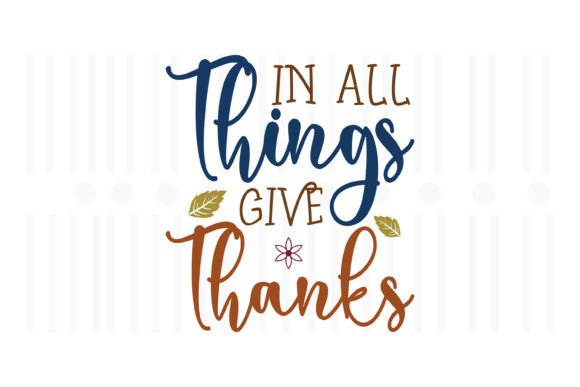
Give Thanks to the Lord: A Design Review
When a new design crosses my desk, I do not rush to the hoop. I sit with it. I look at the lines, the proportions, the way the letters sit against each other, and I think about what kind of finished product this will become after the needle is done. Give Thanks to the Lord,Thanksgiving SVG arrived as a digital file, but my mind immediately went to the finished piece—a tote bag, a sweatshirt, a set of kitchen towels for a holiday market. That is the only way I evaluate a design: by what it becomes after stitching. And this one has a lot to offer, provided you treat it with the right preparation.
A First Look at the Mood and Layout
The design carries a classic, warm, faith-based sentiment that fits naturally into Thanksgiving and autumn projects. The typography is straightforward, not overly ornate, which is a relief for anyone who has wrestled with delicate script that turns into a blob of thread after the first pass. Give Thanks to the Lord,Thanksgiving SVG feels grounded and sincere. It does not try to be trendy or overly decorative. It lets the words carry the weight. That is a good sign for commercial embroidery, where clarity in letters directly affects whether a customer feels confident buying a finished product from your shop.
The layout is clean enough that it can scale up for a sweatshirt back or scale down for a small patch on a cap. I appreciate that there is no excessive ornamentation competing with the message. The design respects the fabric. That tells me the original vector work was done with production in mind, not just screen display.
Real Project Use: A Custom Embroidered Tote Bag
Let me walk you through a real scenario I set up this week. I had a request from a local boutique for a run of fall-themed tote bags. They wanted something with a faith message but not overly churchy—something a customer would carry to a farmers market or use as a gift bag for a Thanksgiving hostess. I pulled up Give Thanks to the Lord,Thanksgiving SVG and imported the SVG into my embroidery software. The file came with 300 dpi source files in EPS and SVG, which gave me flexibility to adjust the scale before converting to a machine embroidery file.
I ran a test on a piece of medium-weight cotton twill, the kind I use for tote bags. The letters stitched cleanly. The satin stitch columns held their edges without pulling. There was no unsightly gap between the strokes, and the fill stitch areas in the larger letters remained smooth. I did notice that the design benefits from a good layer of cutaway stabilizer, especially if you plan to stitch it on canvas or thicker cotton. On lighter fabrics like a quilting cotton or a soft tee, a tearaway stabilizer with a lightweight topping works just as well. The design is forgiving, but do not skip the stabilizer—it is not one of those files that will hide bad backing choices.
I finished the tote and handed it to the boutique owner. Her first comment was not about the thread color or the stitch quality—it was about how the words felt legible from across the room. That is the kind of feedback that tells me a design earns its place in a product lineup. Give Thanks to the Lord,Thanksgiving SVG delivers that kind of readability.
How It Performs Across Different Products
I tested this design on several fabric types and product formats to see where it excels and where it demands caution. Here is what I found:
- Sweatshirts and hoodies: This is where the design shines. The thickness of the fabric supports the stitch density well. I used a medium-weight cutaway stabilizer and a 75/11 needle, and the letters came out crisp. The design sits well on a front chest placement or a center back layout. Customers looking for a cozy Thanksgiving garment will appreciate the bold, readable letters.
- T-shirts: On lightweight jersey, the design needs a good topping to prevent the stitches from sinking into the knit. A water-soluble topping combined with a lightweight cutaway stabilizer does the job. The design does not have extremely dense areas, so it avoids the puckering that some heavy-letter designs cause on thin fabric.
- Tote bags and aprons: This is a natural fit. The design sits well on a flat panel. I stitched it on a heavy cotton apron and on a canvas tote, and in both cases the letters stayed sharp. The design also works for a small pocket accent if you reduce the scale slightly, but keep the letter height above half an inch to preserve readability.
- Caps and hats: This requires extra care. Curved surfaces can distort lettering, especially when the design has a horizontal line of text. If you want to put Give Thanks to the Lord,Thanksgiving SVG on a cap, I recommend using a cap frame and a stiff stabilizer. Keep the design width within four inches to avoid the edges pulling off the curve. It is doable, but it is not the easiest application for this design.
- Baby items and small gifts: The design works on a baby onesie or a receiving blanket if you reduce the size, but you must test it first. Small lettering on stretchy fabric can distort. I would not go below a three-inch width for the full phrase. For tiny items, consider using just a single word or a shorter version of the message if your software allows editing.
- Pillow covers and home decor: This is a strong category. The design stitches beautifully on linen, cotton blends, and even velvet if you use a sharp needle and a firm stabilizer. A set of embroidered pillow covers with this message would sell well at a holiday craft fair.
Visual Appeal and Customer Trust
When a customer picks up an embroidered product, they do not analyze stitch density or thread tension. They look at the letters. They read the words. They decide in seconds whether the item feels professional or homemade in the less flattering sense. Give Thanks to the Lord,Thanksgiving SVG passes that test because the design is proportioned well and the spacing between letters is consistent. That consistency builds trust. A customer who buys a sweatshirt with this design is more likely to come back for a matching towel set or a gift for a family member because they trust that the finished product will look clean.
For small business owners and Etsy sellers, this design gives you a reliable option that does not require hours of editing or guesswork. The SVG file allows you to change colors easily, which means you can offer the same design in gold thread on a navy sweatshirt or in burgundy on a cream tote bag. That flexibility helps you build a cohesive product line without needing a separate file for every color combination. The file structure is straightforward, and the 300 dpi resolution gives you a clean edge when you rasterize for print-on-demand mockups or printable previews for your shop listings.
Practical Embroidery Designer Notes
Before you commit to a full production run, here are the steps I always take with a new design file, and I recommend you do the same with Give Thanks to the Lord,Thanksgiving SVG:
- Test on scrap fabric first. Use the same fabric type you plan to sell. Do not skip this step even if the design looks perfect on screen. The way thread lays on cotton is different from how it lays on polyester or linen.
- Check thread color contrast. This design works best with a high-contrast thread against the fabric. A dark gold or orange on a cream background reads well. A light beige on white will disappear. Test your thread choice on a small swatch before stitching the final product.
- Review stitch density in your software. The design should not have overly dense areas that cause the fabric to pucker. If you see any areas where the fill stitches are packed too tightly, adjust the density or switch to a satin stitch for those sections.
- Confirm hoop size. The design fits comfortably in a standard 5x7 hoop. If you are using a smaller hoop, verify the dimensions before loading the file. You do not want to discover mid-stitch that the design extends beyond your hoop capacity.
- Inspect small details. Look at the corners of the letters and any junctions where strokes meet. If there are any sharp angles that could cause thread breaks, round them slightly in your editing software before stitching.
- Test in black and white. Convert the design to grayscale in your software to check whether the visual weight is balanced. A design that looks good in color can sometimes reveal uneven spacing or awkward proportions when the color is removed.
- Compare on light and dark backgrounds. The same design can feel completely different on a white tee versus a black tee. Stitch it on both before you decide which fabric colors to offer in your shop.
- Use proper stabilizer for the fabric. Cutaway for knits, tearaway for wovens, and a water-soluble topping for any fabric with texture or nap. This design is forgiving, but it is not magic—stabilizer choices still matter.
- Verify licensing for commercial use. The file description states it is ready to print and the color is changeable, but confirm whether the license covers selling finished products or digital files. If you plan to sell items with this design, make sure you have the right to do so under the terms of the purchase.
Where to Use This Design Carefully
No design works everywhere. I have seen beautiful vector files turn into disappointments because the fabric fought back. With Give Thanks to the Lord,Thanksgiving SVG, pay attention in these situations:
- Small hoop sizes: If you are using a 4x4 hoop, the design may need to be scaled down to the point where the letters lose clarity. I would not recommend this design for a 4x4 hoop unless you are stitching only a portion of the text.
- Textured fabrics like fleece or bouclé: The stitches can sink into the texture and make the letters look fuzzy. Use a thick water-soluble topping and a sharp needle to keep the edges clean.
- Stretchy or thin fabrics: These require extra stabilization. A lightweight knit may need a double layer of cutaway stabilizer to prevent the design from distorting during stitching.
- Dark fabrics with dark thread: If you stitch this design with a dark thread on a dark background, the words will be hard to read. Stick to light or bright thread colors on dark fabric to preserve legibility.
- Products that need frequent washing: The design holds up well if you use quality thread and proper stabilizer, but test a stitched sample through a wash cycle before you sell a batch. Some thread brands fade faster than others, and the stabilizer should not break down after one wash.
The Value of a Reliable Design Asset
In my experience, the best designs for a craft business are not the flashiest ones. They are the ones that stitch cleanly, read clearly, and fit naturally into a product category that customers actually buy. Give Thanks to the Lord,Thanksgiving SVG belongs in that group. It is a solid, usable design that can serve as a staple in your autumn product lineup. Whether you are making personalized gifts for a holiday market, building a collection of faith-based apparel for your Etsy shop, or creating custom orders for local customers, this file gives you a reliable foundation.
The SVG and EPS formats mean you can edit the colors and scale without losing quality, which is essential when you are working across different product types. The design works for both personal projects and commercial production, as long as you confirm the licensing terms before selling. I have added it to my active design library for the season, and I expect to use it on tote bags, sweatshirts, and kitchen towels through Thanksgiving. If you are looking for a design that respects your time, your materials, and your customers, this one is worth a close look.