Have a Holly Jolly Christmas – A Designer’s First Look
When a holiday design lands on my desk, I don’t just look at it—I try to feel how it will stitch, how it will sit on a finished product, and how a customer will react when they unwrap it. Have a Holly Jolly Christmas,Christmas arrived as a clean vector graphic from the Crafts category, offered as an EPS and SVG file at 300 dpi, with the promise of easy color changes and print-ready flexibility. As someone who works daily with machine embroidery design and handmade product development, I approached this file with a mix of seasonal anticipation and practical skepticism. After testing it in a real embroidery project, I’m ready to share what works, what needs attention, and where this design can truly shine for your small shop or personal gift-making.
A Holiday Mood That Translates to Stitch
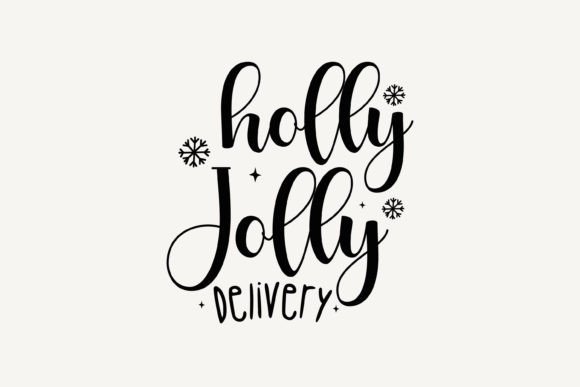
The first impression of Have a Holly Jolly Christmas,Christmas is warm and welcoming. The typography carries a classic holiday spirit without feeling overly busy or dated. It strikes a balance between festive energy and clean readability, which is exactly what you want for custom apparel or boutique merchandise. The layout feels centered and balanced, making it a natural candidate for sweatshirt embroidery, tote bag design, or a premium embroidered patch.
Because the design is provided as an SVG and EPS file, I was able to bring it into my embroidery software and begin adjusting thread colors immediately. The claim of 100% color changeability held up well—every element remained editable, and the vector paths were clean enough to convert into satin stitch and fill stitch without excessive node cleanup. For a designer who values efficiency, this is a meaningful time-saver.
Testing the Design on a Custom Tote Bag
I decided to test Have a Holly Jolly Christmas,Christmas on a sturdy cotton tote bag intended as a holiday gift for a client’s boutique customers. The goal was to create a product that felt both handmade and polished—something that would stand out at a craft fair or inside an Etsy shop listing.
After converting the SVG to an embroidery file, I selected three thread colors: a deep forest green, a warm burgundy, and a soft cream for the lettering. The design digitized smoothly. The letterforms maintained their integrity through satin stitch, and the spacing between characters was even enough to avoid thread breakage or density issues. The overall stitch count felt appropriate for a medium hoop size, and the design did not require excessive underlay, which kept the fabric from puckering.
The finished tote bag looked professional. The design sat centered and readable, and the color contrast popped against the natural cotton background. When I showed it to a few fellow Etsy sellers, their first comment was about the clean, giftable look. That is exactly the kind of reaction you want from a handmade product that needs to communicate both quality and holiday cheer.
Where It Performs Well in Your Product Line
Based on my testing, Have a Holly Jolly Christmas,Christmas is versatile enough for a range of finished products. Here are the applications where it truly delivers:
- Custom apparel – Sweatshirts, t-shirts, and hoodies benefit from the design’s balanced layout. The lettering reads clearly from a distance, which is important for holiday-themed apparel.
- Tote bags and aprons – The design stitches well on medium-weight fabrics. It adds a boutique feel without overwhelming the product.
- Embroidered patches – Because the design is compact and the shapes are well-defined, it works as a patch that can be sewn onto gift bags, hats, or even baby items.
- Pillow covers and tea towels – Home décor items with a holiday theme sell well in small shops. This design fits neatly on a standard tea towel or a throw pillow cover.
- Printable mockups – The SVG file is also ready for print, so you can preview your products with realistic digital mockups before stitching. This is a huge advantage for Etsy sellers who need to showcase variations quickly.
Because the design is offered as Graphics rather than a pre-digitized embroidery file, you do have the freedom to adapt it to your preferred embroidery format. That flexibility is a double-edged sword: it gives you control, but it also means you need to confirm that your digitizing software can handle the conversion cleanly.
Careful Placement Matters on Certain Items
No design is perfect for every product, and Have a Holly Jolly Christmas,Christmas has a few considerations that deserve attention. I want to be honest about where I would use it cautiously:
- Small hoop sizes – If you are working with a 4x4 hoop, test the scaled-down version first. The lettering may become too dense for small formats like baby onesies or cap fronts. I recommend keeping the design at a medium to large scale for best readability.
- Stretchy fabrics – On lightweight knits or performance fabrics, the design may require additional stabilizer. The satin stitch areas can pull if the fabric is not properly supported. Consider a tear-away or cut-away stabilizer depending on your base material.
- Dark fabric backgrounds – While the design is fully color-changeable, the contrast on dark fabrics needs careful thread selection. I always test a black-and-white mockup first to confirm that the design’s shapes remain distinct when stitched.
- Curved surfaces like caps – The horizontal layout of the lettering may not follow the curve of a hat brim naturally unless you adjust the vector path beforehand. This is doable, but it requires extra software work.
These are not deal-breakers. They are simply the kind of practical checks every experienced embroiderer learns to make before committing to a production run. The important thing is that Have a Holly Jolly Christmas,Christmas gives you enough file flexibility to make those adjustments.
Practical Notes for Your Embroidery Project
Before you stitch this design onto your next handmade product, here are the checks I run on every new graphic I bring into my workflow:
- Test on scrap fabric first. Always stitch a sample on fabric similar to your final product. This confirms thread tension, stitch density, and color accuracy.
- Check thread color contrast. View the design in grayscale to ensure the elements are distinguishable. Holiday designs often rely on red and green, but those can read as similar tones in low light.
- Review stitch density. If your digitizing software gives you a density report, look for areas where satin stitches might become too tight. Adjust as needed to prevent fabric distortion.
- Confirm hoop size. Measure the design at its final size against your hoop capacity. Leave at least half an inch of clearance on all sides for proper hooping.
- Inspect small details. If the design has fine elements, consider whether they will hold up after repeated washing. Thicker thread weights can help preserve detail on items like tea towels or baby garments.
- Test in black and white. A monochrome printout can reveal whether the design has enough contrast and shape variety to work even without color.
- Compare light and dark backgrounds. The same thread color can look drastically different on white versus black fabric. Test both if you plan to offer variations.
- Use proper stabilizer. For most woven cottons and poly-cotton blends, a medium-weight cut-away stabilizer is a safe starting point. Stretchier fabrics may require a heavier option.
- Confirm licensing. Since this is a digital design asset, verify the license terms for commercial use. If you plan to sell finished products or digital items with the design, make sure you have the rights to do so. When in doubt, contact the seller directly.
These steps might seem thorough, but they are exactly what separates a professional finished product from a frustrating stitch-out. Small shop owners and craft business operators who skip these checks often end up with wasted materials and disappointed customers.
The Design’s Role in Your Holiday Product Line
For an Etsy seller or handmade shop owner, the holiday season is a critical window. Products need to feel timely without looking rushed. Have a Holly Jolly Christmas,Christmas fits that need because it reads as classic rather than trendy. It does not rely on gimmicks—it uses straightforward typography and a cheerful message that appeals to a broad audience.
I can imagine this design on a personalized gift for a coworker, a grandmother, or a neighbor. It works equally well on a premium sweatshirt for a boutique customer and on a simple cotton apron for a holiday baking kit. The color-changeability means you can tailor the palette to match a brand or a recipient’s preference without starting from scratch.
For commercial embroidery projects, the design holds up under reasonable production volumes. The vector source file ensures consistency across multiple units, which is essential when you are stitching a batch of twenty totes or fifty tea towels for a holiday market. I appreciate that the file is provided at 300 dpi, because that resolution translates to crisp edges whether you are printing a mockup or digitizing for stitch.
Final Thoughts on This Holiday Graphic
Have a Holly Jolly Christmas,Christmas is a solid addition to any embroidery designer’s seasonal toolkit. It offers genuine flexibility in color and format, and the visual personality is warm enough to suit a wide range of handmade products. It is not a pre-digitized embroidery file, so you will need to do some work in your digitizing software, but the clean vector paths make that process straightforward.
If you are a creative entrepreneur looking for a design that can move from a printable mockup to a stitched finished product without losing its charm, this file is worth your time. Test it, adjust it, and put it on something you are proud to sell or give. That is the mark of a useful design asset—it becomes part of your story, not just a file on your hard drive.