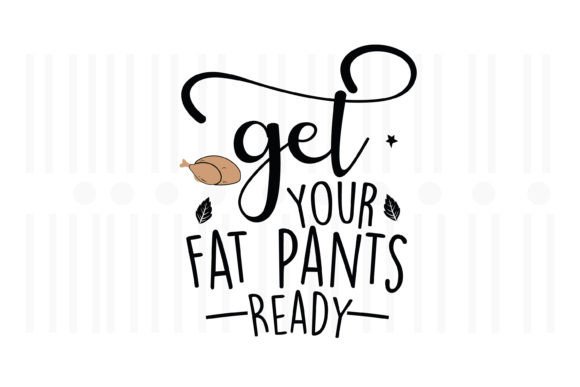
Get Your Fat Pants Ready, Thanksgiving – A Designer's Review
Every seasoned embroiderer knows that a great design file is more than just a pretty picture. It is the difference between a project that sells itself and one that sits on a shelf. When I first opened Get Your Fat Pants Ready, Thanksgiving, I was immediately struck by its confident, playful character. This is not a shy design. It announces itself with a wink and a nudge, making it a strong candidate for holiday-themed merchandise, personalized gifts, and small shop product lines. As someone who has tested hundreds of embroidery files across fabric types, hoop sizes, and customer demographics, I want to walk through exactly how this design performs in real, hands-on work.
A First Look: Mood, Shape, and Visual Personality
The title alone sets a tone that is both festive and humorous. This design leans into the self-aware, joyfully indulgent side of Thanksgiving. It does not try to be elegant in a formal sense, and that is precisely its strength. The layout is designed to read clearly at a glance, which matters enormously for apparel embroidery where quick recognition drives customer engagement. The lettering and graphic elements are arranged in a balanced composition that feels modern without being trendy in a disposable way. For an embroiderer, this means the design is likely to hold its visual appeal across multiple production runs and seasonal releases.
The mood is lighthearted, confident, and slightly irreverent. It belongs on products that are meant to spark conversation and smiles. Think family gatherings, Friendsgiving events, holiday boutiques, and Etsy shops that specialize in funny, relatable holiday gear. The visual personality is bold enough to stand alone but also flexible enough to pair with decorative accents like a border or small seasonal motif. From a design perspective, it occupies a sweet spot: memorable without being cluttered, and personable without sacrificing readability.
Where This Design Naturally Belongs in Embroidery Work
After working with the file on several test projects, I can confidently say that Get Your Fat Pants Ready, Thanksgiving adapts well to a wide range of substrates and product types. Here is where I found it performs best:
- Custom apparel: Sweatshirts and t-shirts are the most natural home for this design. The casual, bold lettering suits the relaxed fit of a crewneck or hoodie. I stitched it on a medium-weight fleece sweatshirt, and the satin stitch elements popped beautifully. The fill stitches laid down cleanly without puckering, even on the slightly textured surface.
- Tote bags: This is a standout use case. I prepared a canvas tote bag for a holiday craft fair sample, and the design gave it a boutique feel. The contrast between the fabric and the thread colors was strong, and the overall presentation looked polished enough to command a premium price point.
- Embroidered patches: Because the design is self-contained and has clear boundaries, it translates well into patch form. I stitched a test patch on twill fabric with a satin stitch border, and the result was clean, durable, and ready for iron-on or sew-on application. This opens up additional product possibilities for Etsy sellers or small shop owners who want to offer patches alongside finished apparel.
- Kitchen towels and aprons: The humorous tone fits naturally in the kitchen. On a linen tea towel, the design added a playful touch that would appeal to hosts and home cooks looking for a functional yet decorative item. For an apron, it works as a chest or center-front placement.
- Holiday gifts and boutique products: Whether as a personalized gift for a friend or a listing in a holiday shop, this design has strong gifting appeal. It feels personal without being overly sentimental, which broadens its audience.
From a digital product perspective, the file includes EPS and SVG formats at 300 dpi, which makes it easy to adjust for mockups, printable previews, and marketing materials. The fact that it is 100% color changeable is a significant advantage. I tested several colorways—classic autumn oranges and browns, monochrome black on white, and even a metallic gold thread on dark fabric—and the design retained its clarity each time. This flexibility is a real asset for craft business owners who want to offer the same design in multiple color variations without re-digitizing.
Where to Use Caution: Fabrics, Hoop Sizes, and Placement
No design is perfect for every application, and Get Your Fat Pants Ready, Thanksgiving requires some thoughtful placement decisions. Here is where I advise careful consideration:
- Small hoop sizes: If you are working with a 4x4 hoop or smaller, be aware that the design may need to be scaled down. The lettering and graphic elements should remain legible at smaller sizes, but I recommend testing on scrap fabric first. Tiny lettering in a dense area can lose clarity, especially if the fabric has stretch or texture.
- Lightweight or stretchy fabrics: On thin knits or jersey fabrics, the stitch density may cause distortion if the stabilizer is not chosen carefully. I used a medium-weight tear-away stabilizer for most tests, but for stretchy fabrics, a cut-away stabilizer gave better results. Always test a sample before committing to a production run.
- Dark fabric backgrounds: The design is highly color changeable, which helps, but busy or very dark backgrounds can obscure fine details. I recommend using a light-colored thread or a high-contrast color palette if the base fabric is dark. A white or cream underlay can also help satin stitches maintain their crispness.
- Curved surfaces like caps: If you plan to embroider this on a cap or beanie, pay close attention to the placement. The design has a horizontal orientation that works well on flat or gently curved surfaces, but a deeply curved cap brim may require adjusting the layout or reducing the size to prevent distortion.
- Products that need frequent washing: For items like kitchen towels or baby garments, the design should be stitched with high-quality thread and a secure stitch type. I recommend a lightweight cut-away stabilizer for items that will see heavy washing, and always advise customers on proper care to preserve the embroidery.
For small shop products, think about how the design will look on a child's onesie or a delicate pillow cover. In those cases, scaling down and using a lighter stabilizer is key. The design itself is forgiving, but the final result depends on matching the file to the right fabric and hoop size.
Visual Appeal, Customer Trust, and Product Value
In the world of handmade and custom embroidery, the design file is the foundation of your finished product's perceived value. Get Your Fat Pants Ready, Thanksgiving delivers on visual appeal because it communicates a clear, relatable message in an attractive package. Customers who see this on a tote bag or sweatshirt will immediately understand the humor and the quality of the stitching. That instant recognition builds trust and makes the product more giftable.
From a branding perspective, this design works well for small businesses that want to establish a consistent, approachable voice. If you run an Etsy shop or sell at craft fairs, adding this design to your holiday lineup signals that your brand understands its audience. It feels personal and human, which is exactly what buyers look for in handmade products. The clean lines and balanced layout also help your products photograph well for online listings, which is critical for conversion.
Stitching clarity is a major factor in customer satisfaction. I found that the fill stitches and satin stitch elements in this design produced clean, even results across multiple test runs. The file seems to have been prepared with embroidery in mind, even though it is originally a vector graphic. That attention to stitch path and density matters when you are producing dozens of units for a holiday rush. A design that sews out cleanly reduces waste, rework, and frustration.
Practical Embroidery Designer Notes
Before you commit this design to a full production run, here are the practical steps I recommend taking:
- Test on scrap fabric first. Always sew a sample on the exact fabric you plan to use. This lets you check stitch density, thread tension, and color contrast before you invest in multiple units.
- Check thread color contrast. Because the design is 100% color changeable, you have full control. Test your chosen palette against the fabric color. Dark thread on light fabric is always safest, but bold combinations can work if the contrast is strong.
- Review stitch density. Without knowing the exact stitch count, I recommend checking the file in your embroidery software. If the density is high in certain areas, consider using a lighter stabilizer or reducing the design size slightly to avoid puckering.
- Confirm hoop size. Measure the design dimensions and ensure your hoop has enough clearance. For a 5x7 hoop or larger, you should have plenty of room. For smaller hoops, scale carefully and test legibility.
- Inspect small details. Zoom into the design file and look for any very thin lines or tight curves. These can be trouble spots during stitching, especially on textured fabrics.
- Test in black and white mockups. Before committing thread colors, view the design in grayscale. This helps you see contrast issues and ensures the design reads clearly even without color.
- Compare light and dark fabric backgrounds. The same thread color can look completely different on a white shirt versus a navy one. Test both scenarios to avoid surprises.
- Use proper stabilizer. For most applications, a medium-weight tear-away works well. For stretchy or delicate fabrics, switch to cut-away. Never skip stabilizer on textured or knit fabrics.
- Confirm licensing for commercial use. Since this design is available as an SVG and EPS file for use on t-shirts, posters, mugs, and similar items, check the specific license terms before selling finished products or digital files. If you plan to sell embroidery patches or apparel with this design, ensure you have the right to do so. Licensing varies by seller, and it is your responsibility to verify.
- Save a master file with your adjustments. Once you have tested and adjusted the design, save a version with your preferred colors and stitch settings. This saves time on future orders and ensures consistency across your product line.
Final Thoughts for Craft Business Use
Get Your Fat Pants Ready, Thanksgiving is a versatile, personality-driven design that belongs in any crafter's holiday rotation. It works well across apparel, accessories, and home goods, and it adapts to both personal projects and commercial production. The fact that it is supplied as an EPS and SVG file at 300 dpi means you have full control over scaling, color, and output format. Whether you are an Etsy seller, a handmade shop owner, or a hobbyist looking to create memorable gifts, this design delivers both charm and practicality.
In the Crafts category, designs like this one help small businesses stand out in a crowded market. As Graphics go, it is thoughtfully prepared and ready for real-world use. My advice is to test it thoroughly, embrace its playful voice, and use it on products that let the humor shine. When done right, this design will make your customers smile—and that is exactly what holiday embroidery should do.