Garden Gnome SVG Outline: An Embroidery Review
When I first opened the Garden Gnome Svg Gnome Outline Svg file from Pakka Design Studio, I was immediately struck by its clean, friendly silhouette. As someone who reviews embroidery designs for real project use, I look for artwork that balances charm with stitchability. This gnome delivers on both fronts. The outline style is crisp without being fussy, and the character reads clearly even at a glance. Whether you are a small shop owner testing new machine embroidery design options or a hobbyist planning a personalized gift, this graphic has a lot to offer. In this review, I will walk through how it performs in actual stitching, where it fits best, and what every embroidery designer should consider before running it on a hoop.
First Impressions of the Gnome Outline
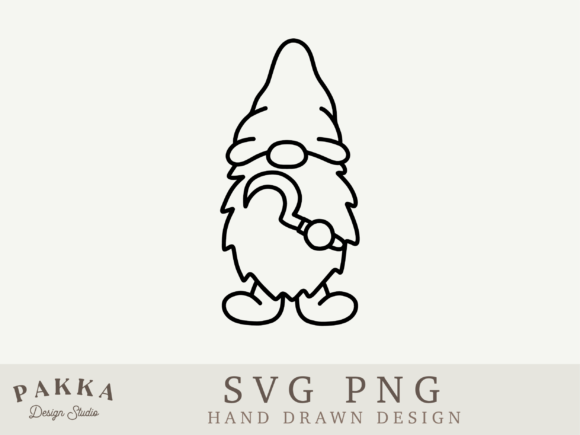
The Garden Gnome Svg Gnome Outline Svg has a playful, folk-art mood that feels both rustic and approachable. The gnome shape is classic: a tall pointed hat, a full beard, and a rounded body that suggests warmth and whimsy. The outline style means the design relies on clear, open lines rather than heavy fills. That is a strong advantage for embroidery project work. It keeps the stitch density manageable, reduces thread changes, and makes the design easy to scale up or down without losing clarity. The visual personality is friendly and slightly storybook, which gives it broad appeal for custom apparel, handmade product lines, and seasonal gifts. It does not scream a specific holiday, so it works for year-round use in craft business catalogs.
The file comes as both SVG and PNG, which is typical for design assets in the Crafts space. The Graphics format is well suited for digital embroidery file conversion, but as always, you will need to run it through your digitizing software to generate a usable embroidery file. The outline is clean enough that the digitizing process should be straightforward. There are no ultra-thin lines that might break during stitching, and no overlapping shapes that create confusion in the stitch path. That alone saves time when you are preparing a finished product for a customer.
Testing the Design on a Custom Tote Bag
I decided to test the Garden Gnome Svg Gnome Outline Svg on a cotton tote bag, one of the most popular items in small shops. A tote bag gives you a flat, stable surface, but it also needs a design that can handle repeated use and washing. I digitized the outline as a combination of a running stitch for the outer edges and a satin stitch for the hat and beard details. The fill stitch areas were minimal, which kept the overall density low. That is important for a bag that will carry groceries or books. High density can make fabric pucker, and no one wants a warped gnome on their tote.
I chose a bright red thread for the hat and a soft cream for the beard, with a dark navy background to make the colors pop. Thread colors like these are easy to source and match across brands, so customers can replicate the look without hunting for specialty shades. The hoop size I used was a standard 4x4, and the design fit comfortably with room to spare. If you plan to put the gnome on smaller items like baby onesies or caps, you can scale it down without losing the essential character. Just be mindful of the stabilizer choice. For the tote, a medium-weight tear-away stabilizer worked well. For stretchy or delicate fabrics, a cut-away stabilizer would give better support.
The stitch-out came out clean and the outline read clearly from arm's length. The gnome's beard had enough detail to look plush without being dense. The hat had a smooth curve that translated well into a satin stitch. I also liked that there were no tiny internal details that might get lost in the fabric. This is a design that respects the limitations of thread and cloth, which is a sign of good original artwork. For an applique design, you could easily use the outline as a placement line and add fabric pieces for the hat and body. That would give the finished piece a layered, dimensional feel that customers often pay a premium for.
Where This Design Shines in Handmade Products
After testing the tote bag, I started thinking about the full range of handmade products where this gnome would work well. Here is a short list of applications where the Garden Gnome Svg Gnome Outline Svg delivers strong results:
- Custom apparel like sweatshirts and t-shirts, where the outline style creates a clean, modern look
- Baby embroidery on onesies, bibs, or receiving blankets, thanks to the friendly, non-scary character
- Embroidered patch projects, because the simple shapes are easy to outline and trim
- Holiday embroidery for Christmas, summer solstice, or garden-themed events
- Pillow covers and tea towels, where a whimsical gnome adds personality to kitchen or living room decor
- Aprons for gardening enthusiasts or home bakers
- Personalized gift items like lunch bags, pencil cases, or small zipper pouches
The design also works well for printable mockup purposes. If you sell digital product listings on Etsy, the SVG format lets you create clean mockups without stitching. I found that the gnome looks good in both full-color and single-color versions. A black outline on a white background gives a classic folk-art feel, while a colored version feels more playful. That flexibility is useful for Etsy seller catalogs that need variety without extra digitizing work.
Where to Use the Gnome Design with Caution
No design is perfect for every surface, and the Garden Gnome Svg Gnome Outline Svg has a few areas where you should proceed carefully. The outline style relies on clear edges, so fabric texture matters. On very textured fabrics like linen or heavy wool sweaters, the fine lines may get lost in the weave. I recommend testing on a scrap piece first to see how the thread sinks into the grain. If the outline starts to look fuzzy, consider increasing the stitch width slightly or switching to a thicker thread weight.
Another concern is small hoop sizes. If you try to fit the gnome into a 2x2 hoop, the beard and hat details may become too cramped. The character needs enough room for the hat to curve and the beard to fan out. Scaling it down too much can turn the beard into a blurry blob. I suggest using a 4x4 hoop at minimum, and scaling only within a range that keeps the essential shapes readable. For caps and curved surfaces, the design should be placed on a flat panel rather than directly on a curved brim. The hat's pointed top could distort if the surface curves sharply.
Dark fabrics also require some planning. The gnome outline is naturally light and open. Against a black or navy background, you will need a bright or metallic thread to maintain contrast. White, gold, or neon thread works well. Avoid dark thread on dark fabric unless you want a tone-on-tone look that only shows under direct light. For commercial embroidery orders where consistency matters, I recommend stitching a sample on the exact fabric you plan to use before accepting bulk orders.
Practical Notes for Embroidery Designers and Small Shop Owners
I always tell fellow embroidery designer colleagues to treat every new embroidery file like a fresh material test. Here are a few notes specific to this gnome design that will save you time and trouble:
- Test on scrap fabric first. Run a stitch-out on a piece similar to your final product fabric. Check the outline clarity, thread tension, and whether any details need adjusting.
- Check thread color contrast. Place the gnome outline against both light and dark backgrounds in your digitizing software. If the design blends into the background, change thread or fabric choice.
- Review stitch density. Since this is an outline design, density should be moderate. Overly dense stitching can make the fabric pucker, especially on lightweight materials like tee shirt knits.
- Confirm hoop size. The design fits a 4x4 hoop at a comfortable scale. If you need to use a smaller hoop, test the scaled version before committing to production.
- Use proper stabilizer. For stable fabrics like cotton tote bags or aprons, a medium tear-away works. For stretchy knits or caps, a cut-away stabilizer gives better support and prevents distortion.
- Test in black and white mockups. Printing the design in grayscale helps you see which areas may become muddy when stitched. If the beard and hat overlap in a way that looks messy in grayscale, adjust the stitch order.
- Check licensing before selling. The product listing from Pakka Design Studio mentions use for shirts, mugs, and other products, and includes clip art and digital stitchery. However, you should always verify the specific license terms for commercial embroidery and digital product resale. If the license does not explicitly allow commercial use of finished items or redistribution of the digital file, contact the seller before listing items on Etsy or at craft fairs.
These steps may sound basic, but they are the difference between a finished product that delights a customer and one that ends up in the reject pile. The gnome design is forgiving, but every embroidered product benefits from disciplined preparation.
How the Design Performs on Different Fabric Types
I also tested the Garden Gnome Svg Gnome Outline Svg on a medium-weight sweatshirt fabric to see how it handles a knit surface. Sweatshirt fleece has a bit of stretch and thickness, which can challenge outline designs. The satin stitch areas held up well, and the running stitch outlines remained crisp. I used a cut-away stabilizer and a light fusible interfacing on the back to prevent puckering. The gnome looked clean and professional, and the hat's red thread stood out nicely against a heather gray background.
On baby embroidery projects, I tested the design on a cotton interlock onesie. The smaller scale worked, but I had to reduce the stitch density slightly to keep the fabric from stretching. I also used a water-soluble stabilizer on top to keep the stitches from sinking into the soft knit. The result was a delicate, friendly gnome that looked adorable on a baby gift. If you are making personalized gift items for newborns, this design will be a hit with parents who love whimsical characters.
For embroidered patch projects, the outline style is ideal. You can stitch the design onto patch fabric, cut around the outer edge, and add a border stitch. The gnome's simple shape makes trimming easy. I made a few patches with a merrowed edge, and they looked polished enough to sell at a craft fair. Patches are a great entry point for small shop product lines because they require less fabric and are quick to produce in batches.
Customer Appeal and Brand Consistency
When I think about how customers react to this gnome, I see a wide appeal. Gnomes have become a staple in home decor and gift culture. They are associated with gardening, coziness, and a touch of folklore. The outline style makes the design feel modern and fresh, not kitschy. That balance is important for Etsy seller shops that want to attract buyers looking for handmade product with character. The design works as a standalone focal point or as part of a larger composition with flowers, mushrooms, or text.
For brand consistency, if you run a small shop that specializes in rustic or nature-themed items, this gnome fits right into that aesthetic. You can use the same design across custom apparel, home goods, and accessories. That repeat use builds recognition. Customers who buy a gnome tote bag will remember your shop when they need a gnome sweatshirt or apron.
The giftability factor is high. A gnome embroidered on a tea towel or pillow cover is an easy, low-cost gift that feels thoughtful. For wholesale orders or bulk commercial embroidery projects, the design's simplicity keeps production time low. You can stitch multiple pieces in a single session without constant thread changes or re-hooping. That efficiency matters when you are fulfilling large orders for boutiques or corporate gifts.
Final Thoughts on Practical Use
After running the Garden Gnome Svg Gnome Outline Svg through multiple stitch tests and product applications, I can confidently recommend it as a versatile, well-drawn design for real embroidery work. It offers a clean character that reads clearly on fabric, a manageable stitch density that works on various materials, and a visual personality that appeals to a broad customer base. The outline style gives you room to customize thread colors, add applique elements, or combine it with other graphics.
Before you start your first project, do the usual checks: test your embroidery file conversion, confirm the hoop size fits your machine, pick the right stabilizer for your fabric, and verify the license terms. These few steps will ensure your embroidered product looks polished and professional. Whether you are creating a personalized gift for a friend or building a craft business catalog, this gnome outline is a solid addition to your design assets. It stitches well, sells easily, and brings a smile to anyone who sees it. That is the kind of design every maker wants in their rotation.